
The Science
RECOVERY IS
THE GAME
The athletes who recover fastest go the hardest longest. Here's the science of the burn and the reset.
See how it worksThe Science
Why the Burn Happens
STEP 01
PUSH HARD
Intense effort causes hydrogen ions to accumulate, dropping muscle pH and degrading performance
STEP 02
BUFFER
Your body fights back with buffers: bicarbonate in your blood and carnosine stored in your muscles
STEP 03
GO AGAIN
As the acid clears, output comes back, whether it's the next rep, next sprint, or second half
The Research
Ingredient Research Index
Published studies on individual ingredients. These are studies of the ingredients themselves. None of them were done on LactiGo, and they are not claims about what LactiGo does.
Carnosine
A dipeptide stored in skeletal muscle, where it acts as one of the muscle's own buffers against acid.
Sprinters and rowers had higher muscle carnosine and buffering capacity than marathoners and untrained people.
Parkhouse WS et al. Buffering capacity of deproteinized human vastus lateralis muscle. Journal of Applied Physiology, 1985. PubMed
Women, older adults and vegetarians carried less muscle carnosine.
Everaert I et al. Vegetarianism, female gender and increasing age, but not CNDP1 genotype, are associated with reduced muscle carnosine levels in humans. Amino Acids, 2011. PubMed
Five weeks of sprint training did not meaningfully change muscle carnosine.
Baguet A et al. Effects of sprint training combined with vegetarian or mixed diet on muscle carnosine content and buffering capacity. European Journal of Applied Physiology, 2011. PubMed
A review of what sets how much carnosine a muscle holds.
Harris RC et al. Determinants of muscle carnosine content. Amino Acids, 2012. PubMed
Beta-alanine
An amino acid taken by mouth as a supplement. It is the building block that limits how much carnosine muscle can make.
Oral beta-alanine raised muscle carnosine.
Harris RC et al. The absorption of orally supplied beta-alanine and its effect on muscle carnosine synthesis in human vastus lateralis. Amino Acids, 2006. PubMed
Daily oral beta-alanine for four weeks significantly raises muscle carnosine.
Trexler ET et al. International Society of Sports Nutrition position stand: Beta-Alanine. Journal of the International Society of Sports Nutrition, 2015. PubMed
The Product
What LactiGo Is

Product details below come from LactiGo's own product information. The science and studies above are not about LactiGo. For official product information, visitlactigo.com.
Two Formulas
LactiGo Regular is a soothing, hydrating gel for your pre- and post-workout routine. LactiGo with Menthol adds a cooling feel and supports the temporary relief of minor aches and pains associated with muscle soreness.
Warm-Up to Cool-Down
Apply to the areas you plan to work before activity, then again after as part of your cool-down. Fast-absorbing, quick drying, no sticky residue.
Tested for Sport
Informed-Sport certified: every batch is tested for banned substances. Used by professional athletes across the major North American leagues.
Nothing to Ingest
A topical gel made with L-carnosine and magnesium sulfate in a patented formula (US Patent 10,973,868). It goes on your skin. Nothing to swallow, nothing to mix.
Stop Leaving Recovery on the Table
Every athlete knows the work. Not every athlete builds the cool-down. Make LactiGo part of yours.
GET LACTIGOAffiliate link. PUSH is run by an Independent LactiGo Affiliate and earns commissions on LactiGo purchases made through links on this site. These statements have not been evaluated by the Food and Drug Administration. This product is not intended to diagnose, treat, cure, or prevent disease.
Common Questions
LactiGo FAQ
What's actually in LactiGo?
Both gels are made with purified water, vegetable glycerin, magnesium sulfate and L-carnosine. LactiGo with Menthol adds menthol for its cooling feel and is classified as an over-the-counter topical analgesic. LactiGo Regular is classified as a cosmetic. Neither contains sodium bicarbonate.
When do I apply it?
Per the label: apply to clean, dry skin about 30 to 45 minutes before activity, on the areas you plan to work, and again after exercise as part of your cool-down. Use up to 4 times a day.
Can tested athletes use it?
LactiGo is Informed-Sport certified, which means every batch is tested for banned substances. If you're a tested athlete, still check your own governing body's rules before using any product.
Latest Articles
From the Science Desk
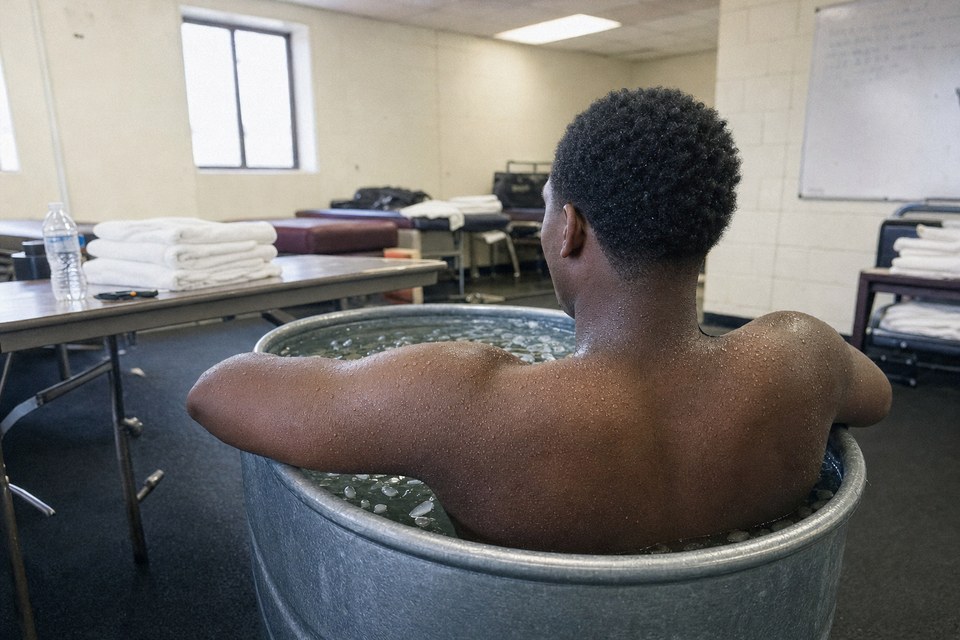
Ice Baths: What the Research Actually Says
Ice baths ease soreness after hard sessions, the research agrees. But a 12-week study found that sitting in cold water after every strength workout cut the muscle and strength gains the training was supposed to build. When to use the tub matters as much as whether you use it.
November 18, 2026 · 6 min read
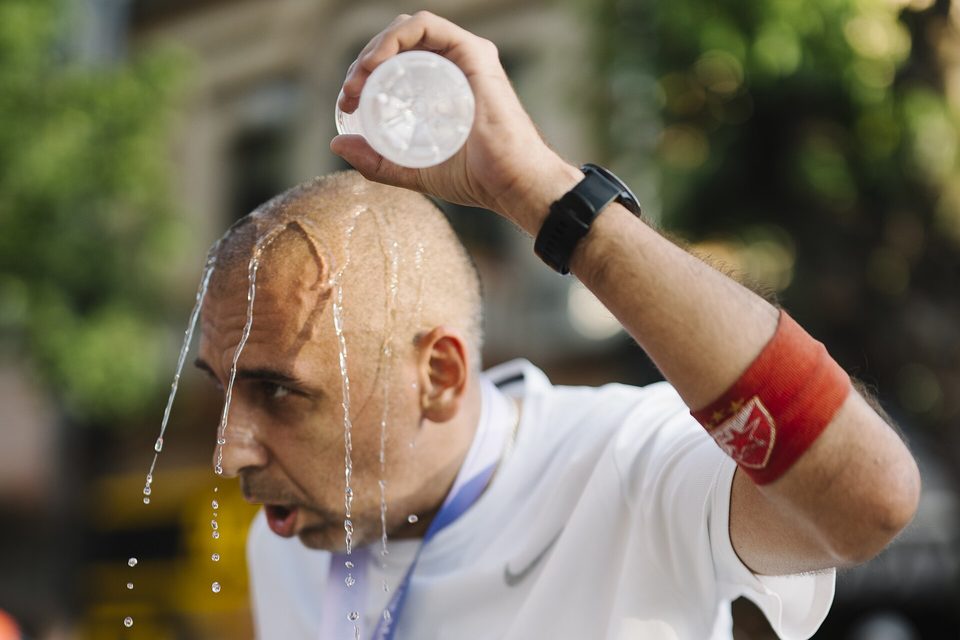
Training in the Heat: How Your Body Learns to Handle It
At the 2019 World Championships in Doha, 41% of the women's marathon field didn't finish. The athletes who had trained for the heat beforehand placed better. Here is what heat acclimatization does, how fast it works, and how fast you lose it.
November 12, 2026 · 6 min read
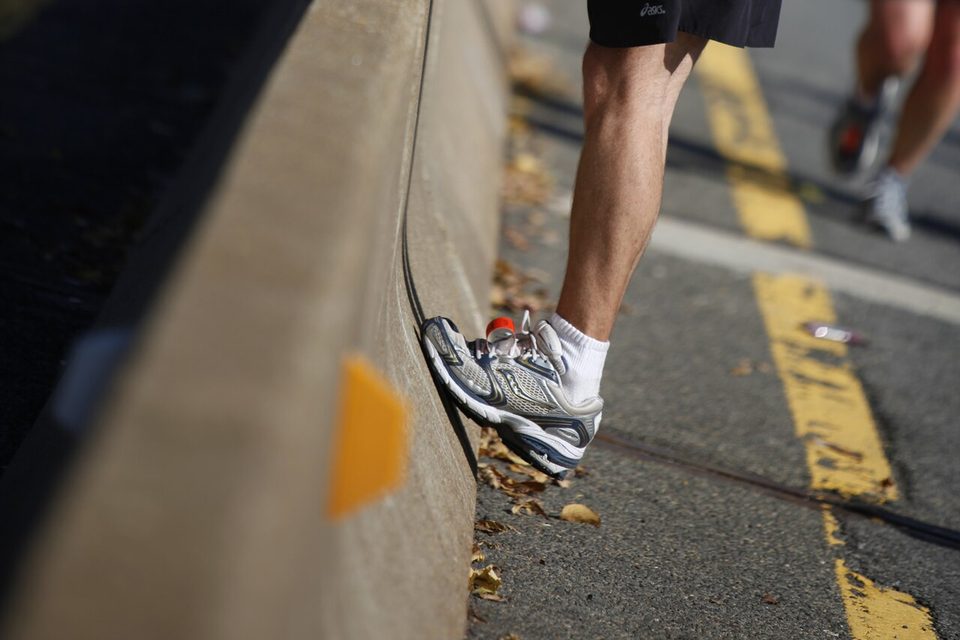
Muscle Cramps Aren't What You Think
Drink more water. Eat a banana. Take salt. The research points somewhere else: not to your water bottle, but to your nerves. And it explains why a sip of pickle juice can stop a cramp faster than your gut can absorb it.
November 4, 2026 · 5 min read
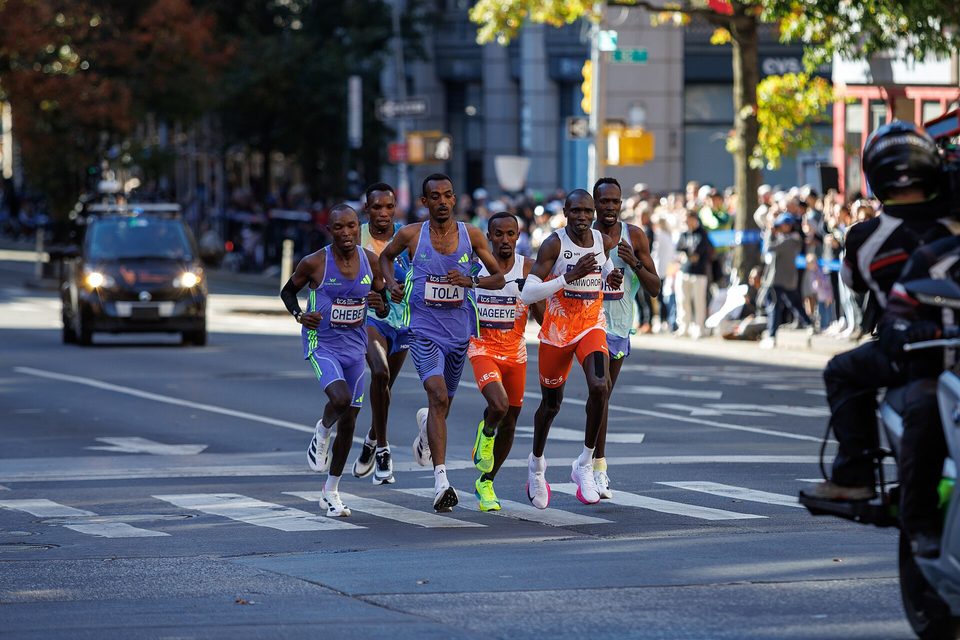
Fast Twitch, Slow Twitch: What Your Muscles Are Built For
A marathoner and a sprinter can weigh the same and train just as hard, but under a microscope their muscles look different. Here is what fiber types are, where yours come from, and why the fast ones feel the burn first.
November 2, 2026 · 6 min read